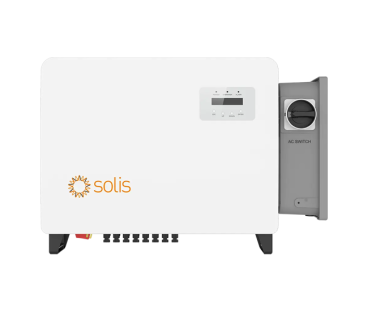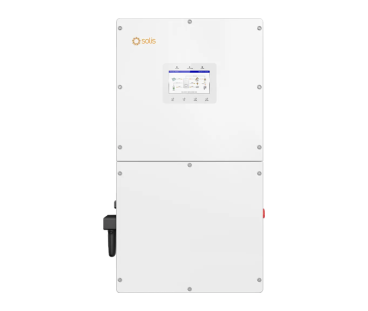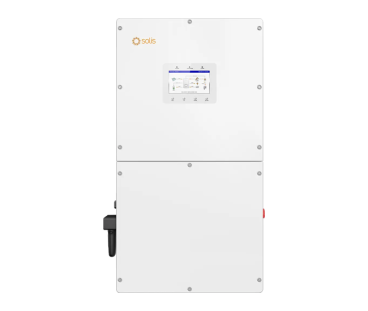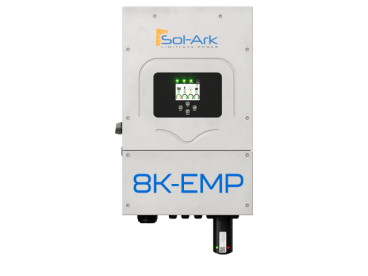
|
Inverters change
Direct Current (DC) to Alternating Current (AC).
Stand-alone
inverters can be used to convert DC from a
battery to AC to run electronic equipment, motors, appliances,
etc.
Intertie
Inverters are used to convert the DC output
of a photovoltaic module, a wind generator or a fuel cell
to AC power to be sold to the utility grid.
Multifunction
inverters perform both functions.
Stand-Alone
Inverters
Stand-alone
inverters convert DC power stored in batteries to AC power
that can be used as needed. Selecting an inverter for your
power system based on the maximum load you will be powering,
the maximum surge required, output voltage required, input
battery voltage and optional features needed. High quality
stand-alone inverters are available in sizes from 100 watts,
for powering notebook computers and fax machines from your
car, to 500,000 watts, for powering a commercial operation.
The size of an inverter is measured by its maximum continuous
output in watts. This rating must be larger than the total
wattage of all of the AC loads you plan to run at one time.
The size of the inverter can be minimized if the number and
size of the AC loads is kept under control. Wattage of most
AC loads can be determined from a tag or label on the appliance,
usually located near where the power cord enters, or from
the owner’s manual. If the inverter is expected to run induction
motors, like the ones found in automatic washers, dryers,
dishwashers and large power tools, it must be designed to
surge, or deliver power many times its rating for short periods
of time while these motors start.
Stand-alone
inverters are available with three basic power output waveforms:
square wave, modified square wave (often called modified sine
wave) and sine wave. Intertie inverters and utility companies
deliver a sine wave. Square wave inverters have the lowest
cost and efficiency and are not sold in this catalog. The
price of the better quality inverters is low enough to make
square wave inverters an unattractive choice.
Trace
UX series, DR series, U series inverters and Genius inverters
have modified square wave output with harmonic distortion
of around 40%. They are an economical choice in power systems
where waveform is not critical. Their high surge capacity
allows them to start large motors while their high efficiency
makes them economical with power when running small loads
like a stereo or a small light. They can power most lighting,
televisions, appliances and computers very well. We do not
recommend them for computer systems with laser printers.
Unfortunately,
this type of inverter may destroy some low cost rechargeable
tools and flashlights, and their waveform will not allow many
laser printers, copiers, light dimmers and some variable speed
tools to operate. Equipment with silicon controlled rectifiers
or SCRs will not operate. Some audio equipment will have a
background buzz that may be annoying to music connoisseurs.
Sine wave
inverters have a slightly higher cost, but they can operate
almost anything that can be operated on utility power. Trace
Sinewave inverters are available in sizes from 2500 watts
to 5500 watts, and a pair of them can be synchronized to deliver
up to 11,000 watts. They are an excellent choice for a ‘whole
house" inverter. Exeltech sinewave inverters, available in
sizes from 150 watts to 5000 watts, are an excellent choice
for power systems running audio or telecommunications equipment
and other electronics that are waveform-sensitive. Larger
Sinewave inverters are available in sizes up to 500,000 watts
that can run a small village.
Intertie
Inverters
Intertie
inverters change DC power into AC power to be fed into the
utility grid. A power system with this type of inverter uses
the utility company as a storage battery. When the sun is
shining, your electricity comes from the PV array, via the
inverter. If the PV array is making more power than you are
using, the excess is sold to the utility (power company) through
an electric meter. If you use more power than the PV array
can supply, the utility makes up the difference. This type
of system makes the most sense if you have utility power,
because there are no batteries to maintain or replace, but
it has a very long payback period and may not be cost-effective
at today’s electric rates. The Trace SWPV, UT and microsine,
AEI GC and Omnion 2400 inverters are examples of an intertie
inverter. Using a multifunction inverter allows you to sell
excess power to the utility, and also maintain a battery bank
for standby power in the event of a utility power failure.
Multifunction
Inverters
Trace
Engineering Company produces a line of sine wave inverters
called the SW line that can operate as a stand-alone inverter
and as an intertie inverter at the same time. In a typical
installation, the Trace SW inverter is connected to a battery
bank, the utility power lines, a standby generator and the
house load center. When batteries are in a charged condition,
the SW inverter supplies AC power to the house from the batteries.
If the batteries become discharged, the inverter supplies
the house loads from the utility lines, while charging the
batteries. If the batteries become fully charged by another
power source, such as photovoltaic modules or a wind or hydroelectric
generator, excess power may be sold back to the utility. If
utility power fails, the inverter can still operate, supplying
critical loads. If a standby generator is started, it can
also supply power to loads. The inverter will synchronize
to the generator and allow loads to be powered that are too
large for either the generator or inverter to supply alone.
Multifunction inverters are not the most efficient intertie
inverters because the system must have a battery, but they
allow system flexibility that intertie inverters do not.
Output
Voltage
We sell
inverters that supply standard 120 Volt 60 HZ AC power, such
as one gets from utility companies and fuel-powered generators.
Most of them can be special ordered with other output voltages
and frequencies for use anywhere in the world. Please contact
us with any special requirements that you have.
Interference
The electronic
circuitry in inverters may, in some cases, cause problems
with radio and television reception, noise on telephones and
buzz in audio equipment. Sine wave inverters cause the least
amount of interference. Interference can be minimized by locating
the inverter very close to the batteries, twisting together
the cables that connect the inverter to the battery, running
AC lines separate from other wiring (such as telephone wires)
and locating the inverter away from appliances that are susceptible
to interference. All inverters cause interference on AM radio!
|